


AMC Italia
The new headquarters as a lever for cultural change
In collaboration with Smartworking srl
Sector
Consumer / Housewares
Stakeholders
CFO, HR, Management
Duration
12 months
Approach
Participatory design
The challenge
AMC Italia needed to relocate its headquarters. The question was not where to put the desks, but how to use the move to genuinely change the way people work. The goal was to turn a facilities project into a lever for organizational transformation — without people experiencing it as change imposed from above.
Key problems:
- Deeply ingrained working habits difficult to modify
- Risk of a purely aesthetic intervention with no cultural impact
- Need to involve all organizational levels, not just leadership
- Alignment between physical spaces, digital processes and real behaviours
How we worked
Participatory discovery
Survey on real behaviours: how people use spaces, how long they commute, which collaboration tools they rely on. Behavioural observations to measure actual desk occupancy. Visioning workshops with the board to align expectations before any design decision.
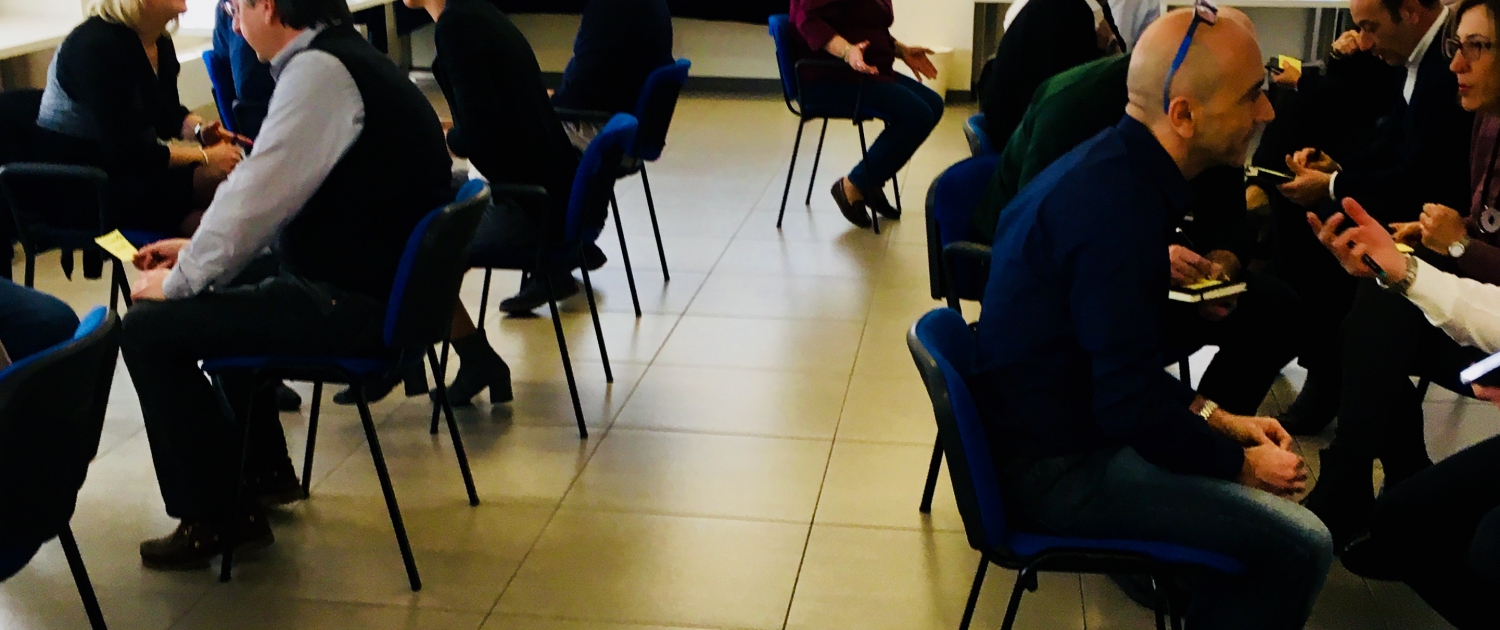
Strategy-sharing session with employees
Values emergence
Design thinking sessions with all employees to identify what should define the new organization. Four values emerged from the group — Lightness, Communication, Innovation, Team — and became the guiding principles of the project: every choice around space, tools and processes was measured against these four criteria.
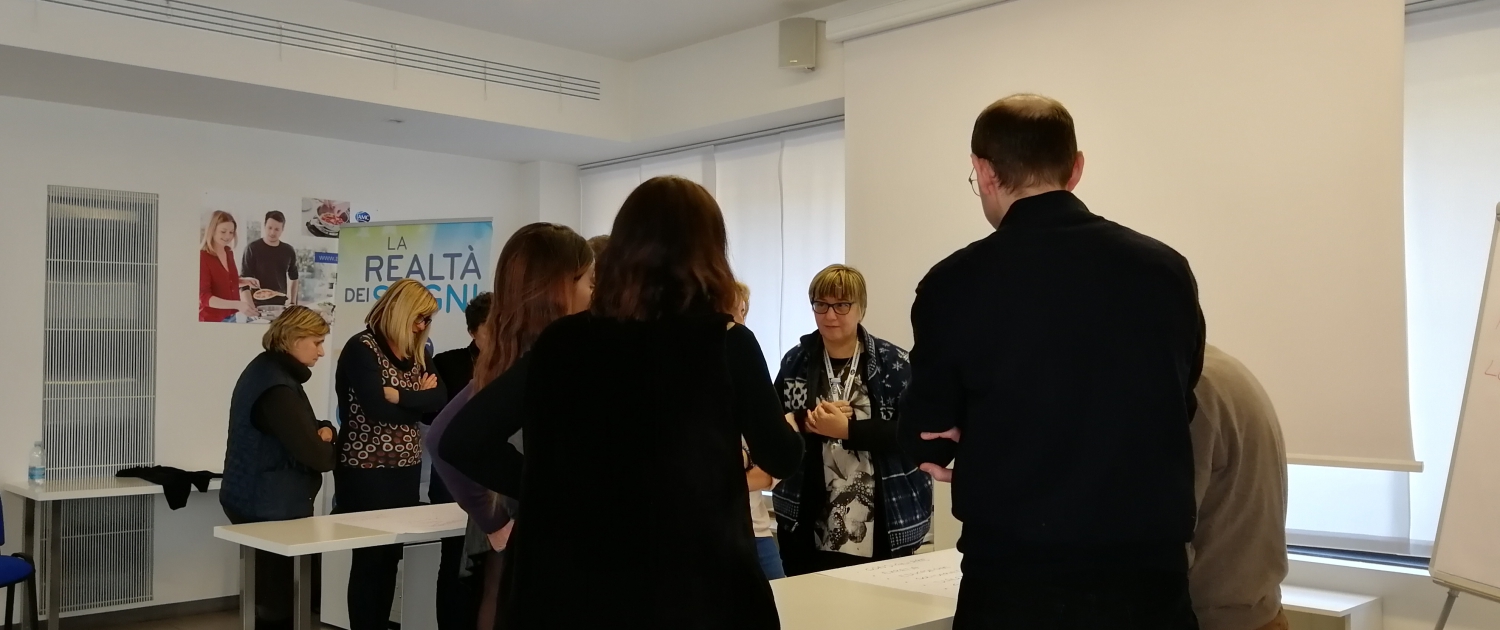
Value assimilation workshop: values emerge from the group, not from the top
Digital transformation
Running in parallel with the physical project: introduction of UCC (Unified Communications and Collaboration) tools, a paperless initiative with digitisation of internal procedures, and IT transformation support. The digital strategy was designed to reinforce new behaviours, not to replace old ones.
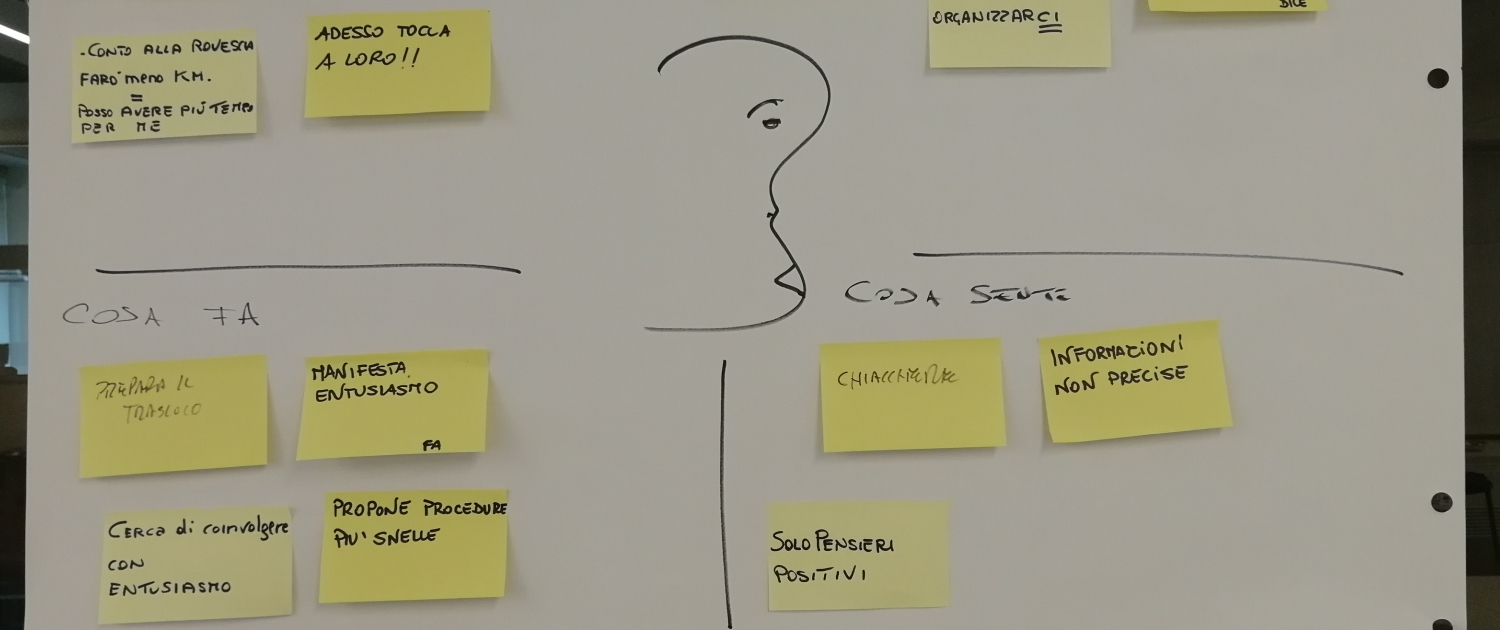
Working session on the internal communication plan
New space
The new office layout was designed together with architects Raffaele Sabbadini and Rachele Storai. A moodboard process guided the colour palette and finishes. Furniture supply was awarded to Faram. The physical space was not the starting point — it was the destination of a participatory process.
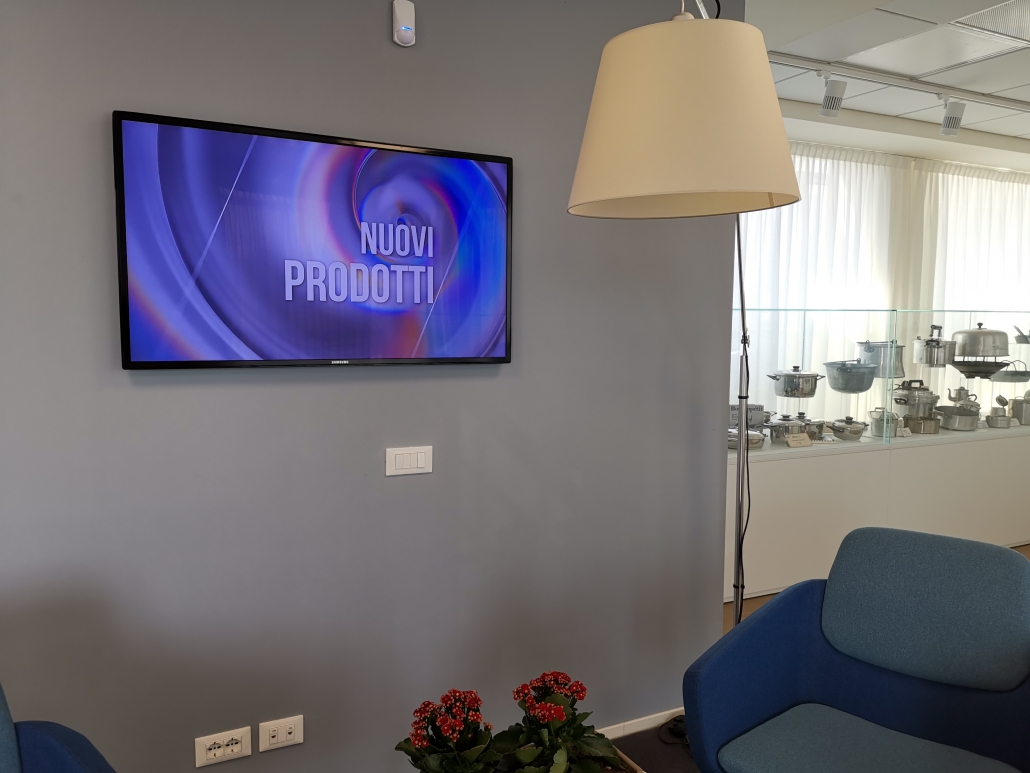
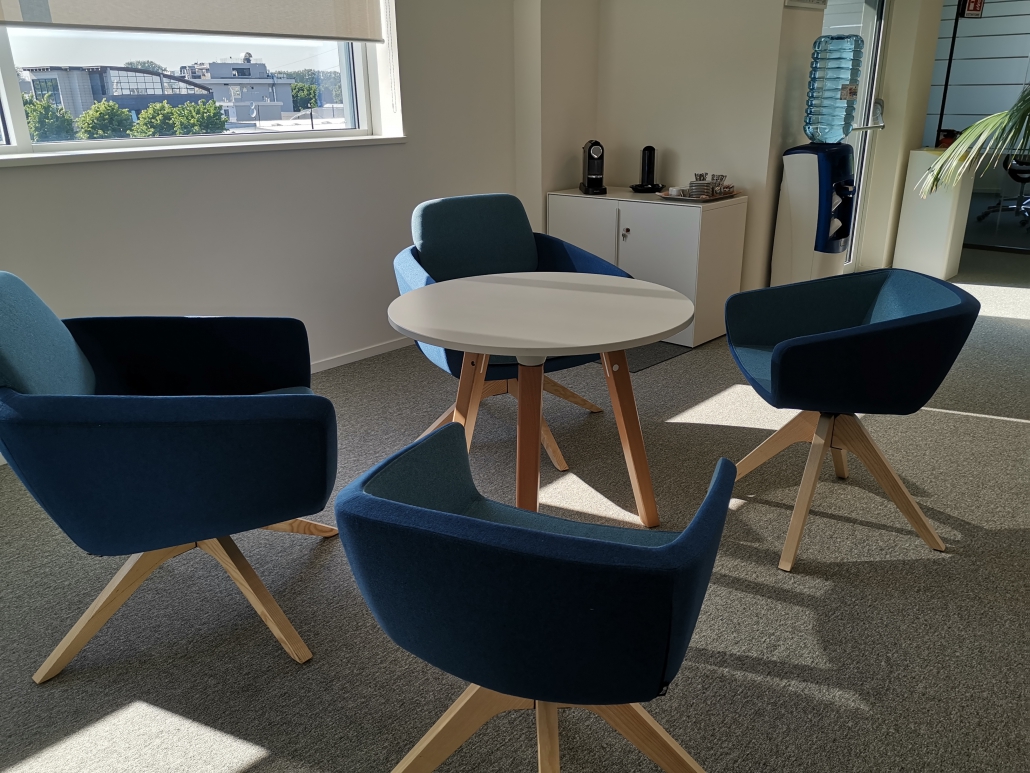
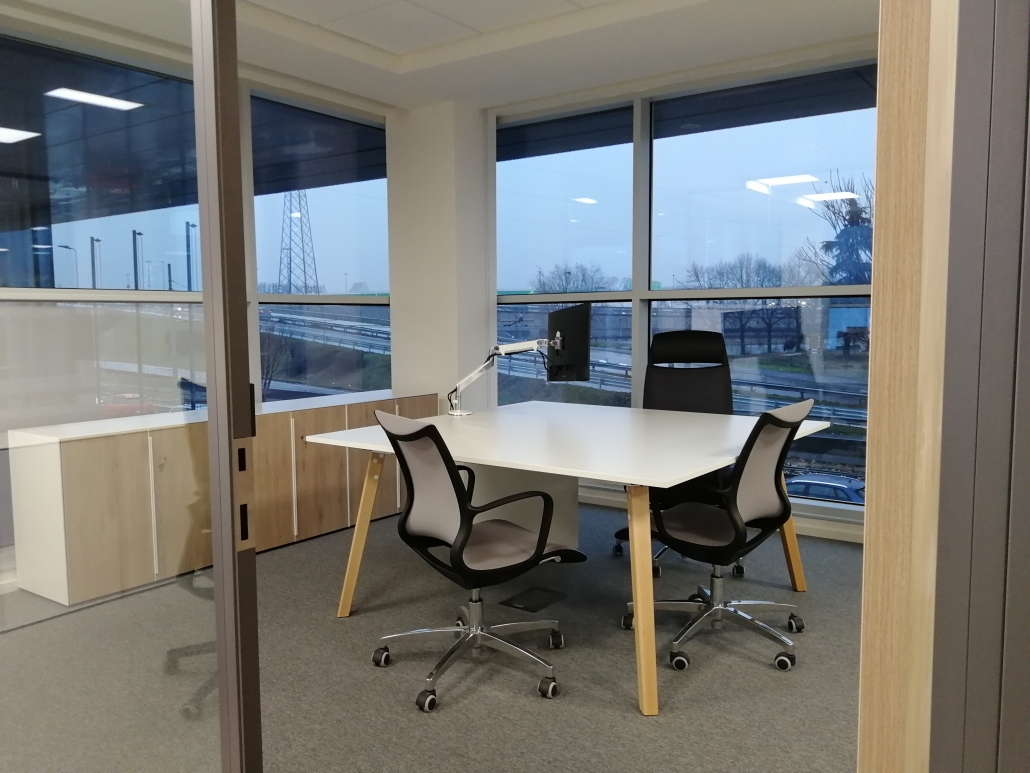
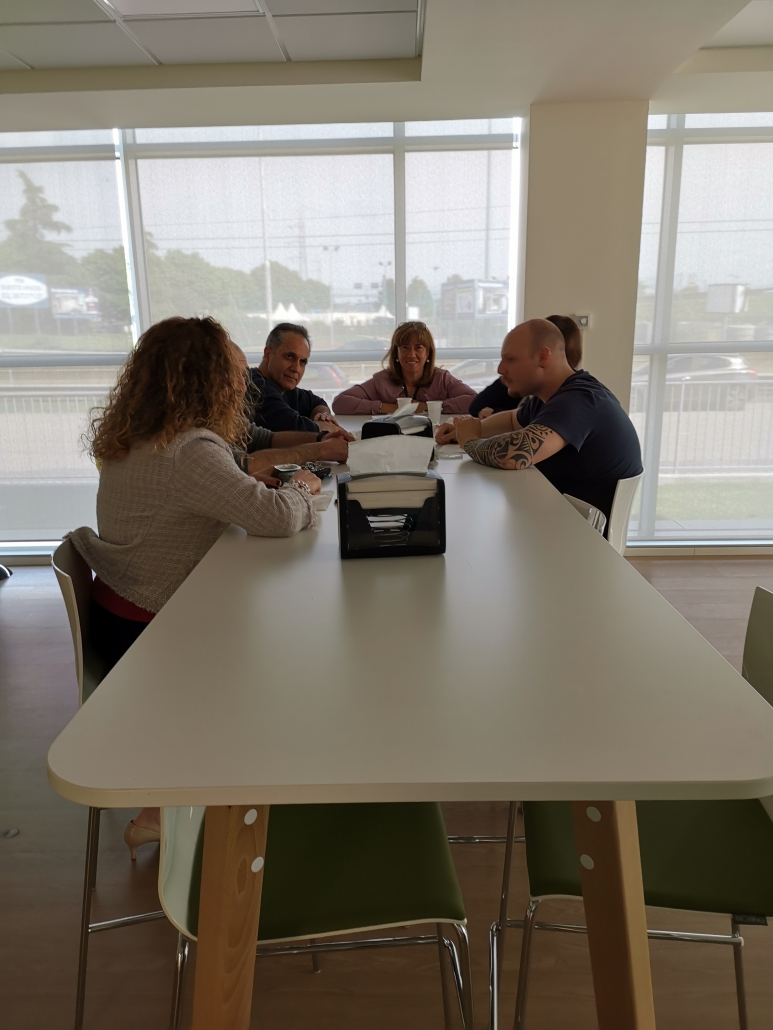
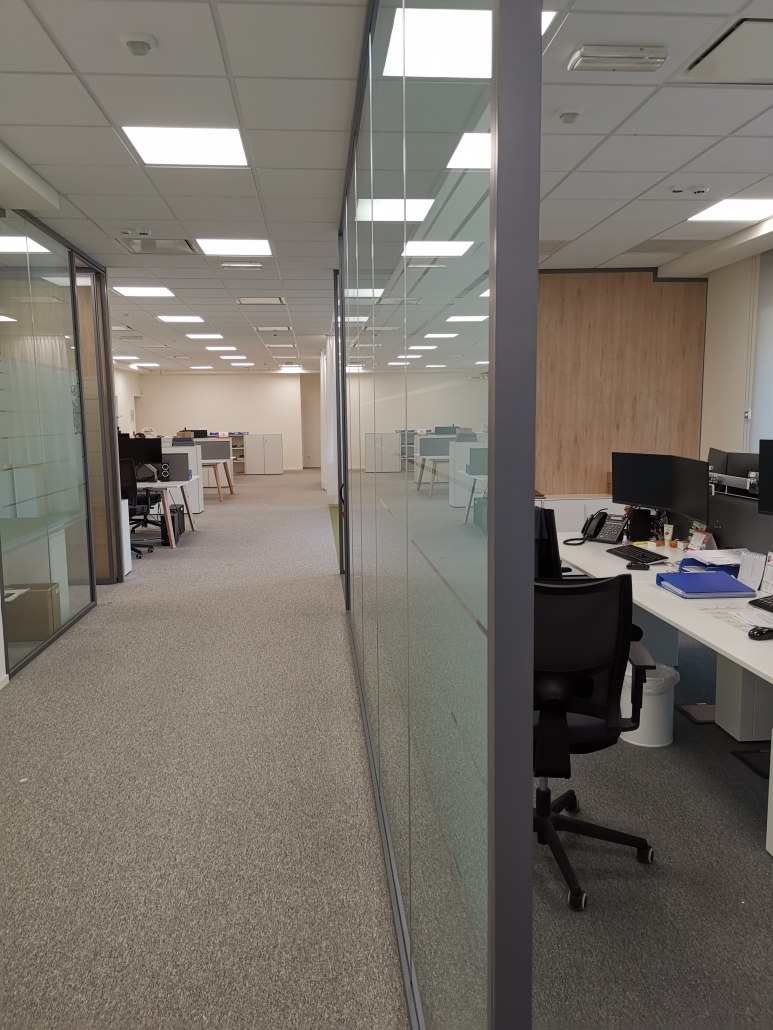
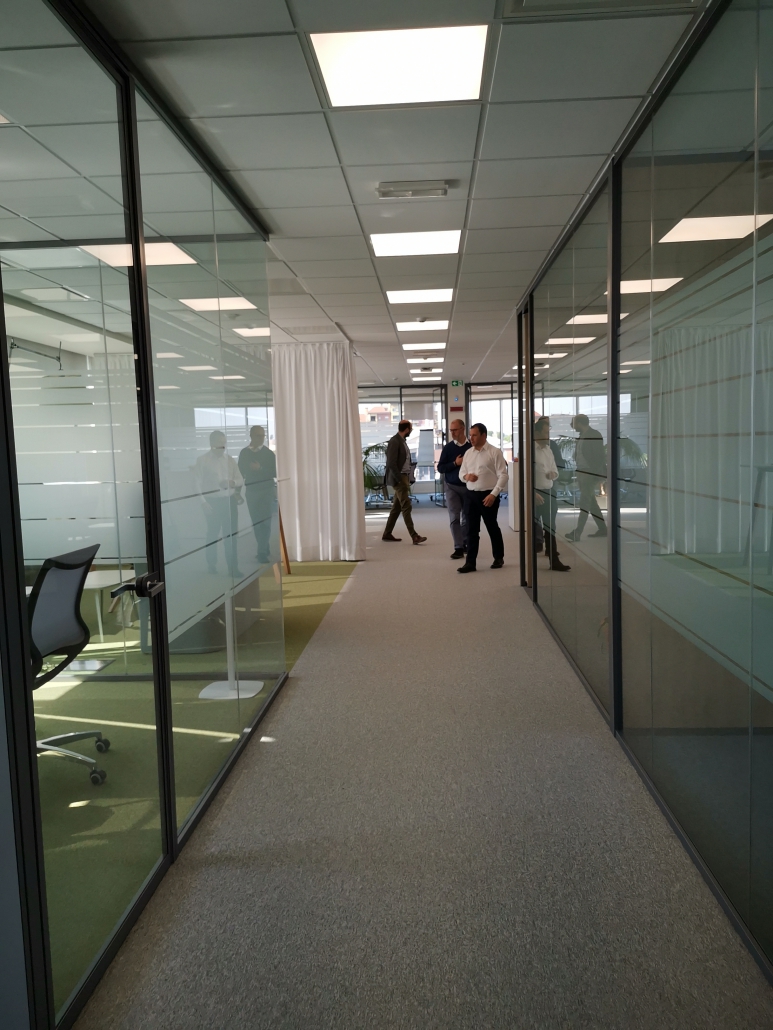
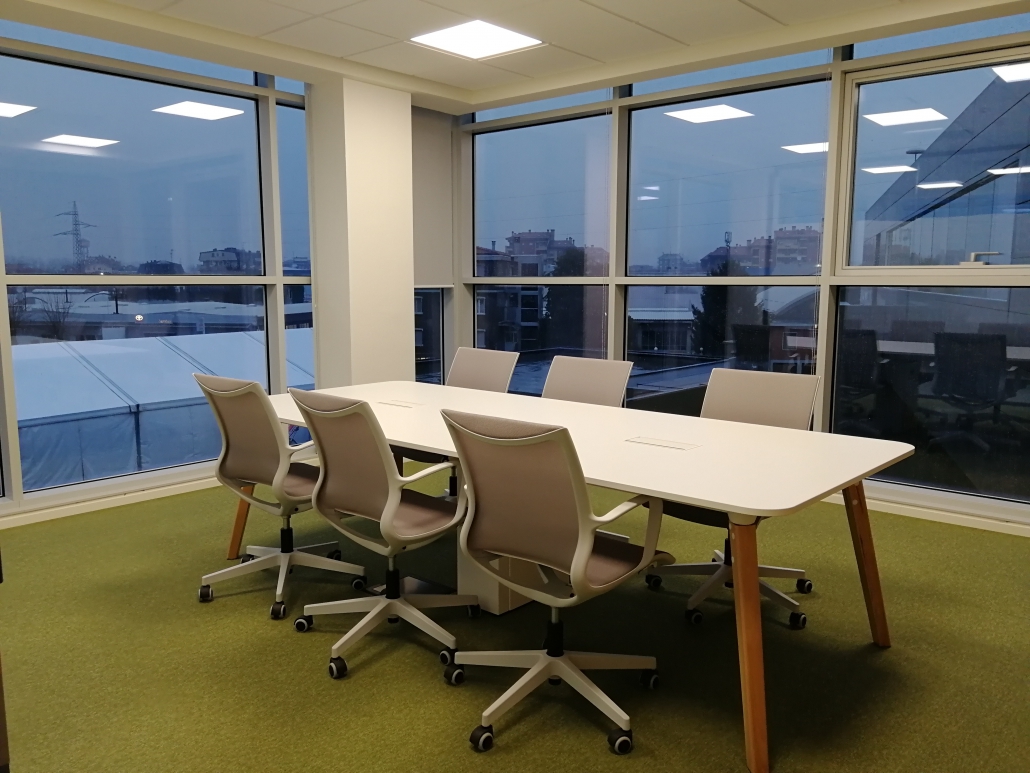
The new space: the destination of 12 months of participatory co-design
Results
Four organisational values identified by employees, not by managers
New office layout designed through a co-creative process
Paperless initiative launched with digitisation of internal procedures
Active involvement of all organisational levels
Reduced resistance to change through early engagement
New space as a tangible reference point for cultural transformation